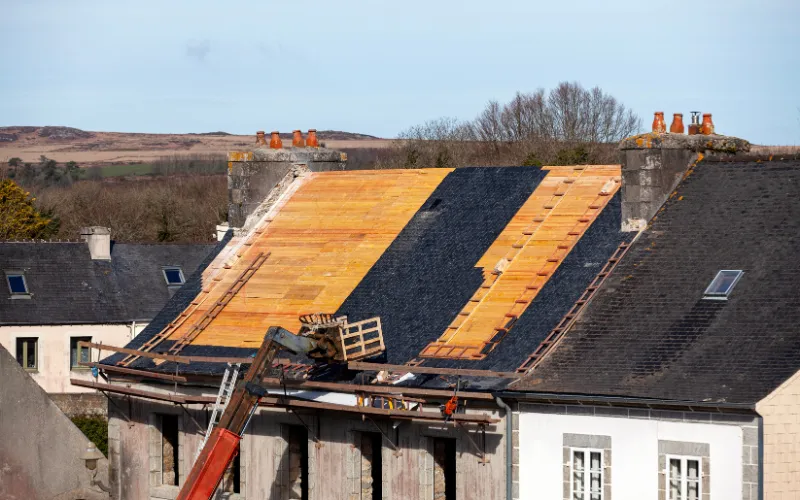
When to Replace Old Shingles: Tips from Roof Replacement Experts
Shingles get old. They crack. Curl. Leak. Knowing when to replace them? Not always easy. That’s why Roosevelt Roofing LLC is here. We help you spot the warning signs. Fast. Clear. No stress.
We know roofs. Every shingle matters. Every detail counts. We don’t just replace old shingles. We inspect. Advise. Guide you through the process. You’ll know what’s happening. Why it matters. And what your options are.
Our team uses top materials. Skilled hands. Licensed, insured, trained. Shingle roofs. Metal roofs. Specialty roofs. We handle it all. Quick work. Clean site. Roofs that last. Looks good too.
And here’s the thing. We’re not just about roofs. We’re about trust. Honest. Transparent. On time. Homeowners love working with us because we actually care. Your home. Your roof. Your peace of mind. That’s Roosevelt Roofing LLC. Simple as that.
Key Takeaways
✓ Spot problems early — Curling, missing, or granule loss can save you big bucks.
✓ Full roof overhaul vs. patching — Sometimes patching is pointless.
✓ Pick the right materials — Asphalt, metal, tile. Each fits different needs.
✓ Hire trusted experts — Certified roof replacement experts prevent mistakes.
✓ Keep up maintenance — Little checks prevent big surprises later.
Why Replacing Old Shingles Matters
Shingles Are More Than Looks
Shingles protect your roof. And your house.
Over time, they crack. Curl. Granules wash away. Rain and wind exploit weak spots.
Failing shingles = leaks. Decking rot. Higher energy bills. Mold. Mildew. And yeah… more stress.
Roof replacement experts know: the earlier you replace old shingles, the cheaper it is long-term.

Signs You Need to Replace Old Shingles
Curling or buckling — Heat and wind distort shingles.
Missing shingles — Holes let water in.
Granules in gutters — Roof is shedding its skin.
Leaks or water stains inside — Decking may be damaged.
Constant repairs — Patch after patch = money down the drain.
Even small curling? Could signal bigger problems. Don’t ignore it.
Risks of Waiting
Delaying leads to:
Structural damage — Water seeps into decking. Rot sets in.
Higher energy bills — Broken shingles trap heat.
Pests — Birds, insects, they love gaps.
Insurance issues — Neglect can void claims.
Lesson: Act early. Saves cash. Saves headaches.
Full Roof Overhaul vs Spot Repairs
When Repairs Work
If damage is minor. If roof is newer. If decking is solid. Spot repairs can save some money.
When to Go Full
Full roof overhaul is better when:
Roof is 20+ years old.
Leaks appear in multiple spots.
Shingles curl, break, or granules gone.
Decking or underlayment is compromised.
Pro tip: Washington heat accelerates shingle wear. Sometimes replacing is cheaper than patching repeatedly.
Picking the Right Roofing Materials
Asphalt Shingles
Cheap. Easy to install.
Lifespan 20–30 years.
Heat reduces life. Reflective shingles help.
Metal Roofing
Durable. Reflective. Fire-resistant.
Lifespan 40–70 years.
Handles hail, wind, sun.
Tile / Clay
Classic Southwest style.
Heavy but lasts 50+ years.
Needs strong structure.
Wood Shingles
Natural, charming look.
Lifespan 25–30 years.
Needs shade, maintenance; sun can warp.
Tip: Ask roof replacement experts which material fits your home, style, and climate.
The Roof Replacement Process
Step 1: Inspection
Experts check shingles, decking, underlayment, vents, flashing. They spot weak spots. Rot. Hidden damage.
Step 2: Material Planning
Pick shingles or tiles. Experts weigh cost, lifespan, style.
Step 3: Removing Old Shingles
Old shingles come off. Damaged decking replaced. Solid base = longer roof life.
Step 4: Underlayment & Flashing
Underlayment = water barrier. Flashing around chimneys, skylights, vents = leak protection.
Step 5: Installing New Shingles
Careful alignment matters. Every nail counts. Protects against wind and water.
Step 6: Inspection & Cleanup
Shingles secure. Gutters clear. Debris removed. Quality check done.
Hiring Roof Replacement Experts
Experience Saves Money
Roofing is dangerous. Mistakes cost. Certified roof replacement experts reduce risk.
Look for:
Licensed, insured contractors
Experience with your roof type
References and past work
Written estimates with labor, materials, warranties
Questions to Ask
How many roofs replaced?
Can I see examples?
What warranties cover labor/materials?
How do you handle unexpected issues?
Story: Homeowner tried DIY repairs. Monsoon hit. Ceiling leak. Deck rot. Experts fixed it right.

Maintenance After Shingle Replacement
Even new roofs need care:
Inspect yearly, after storms
Clean gutters, water must flow
Trim nearby branches
Repair minor issues immediately
Extra tips:
Improve attic ventilation for longer roof life
Proper insulation = cooler home
Check flashing around vents, skylights
Roof Replacement Costs
What Affects Cost
Roof size — bigger = more materials, labor
Material choice — asphalt cheaper, metal/tile pricier
Complexity — slopes, dormers, chimneys = higher labor
Labor quality — experienced crews cost more, prevent mistakes
Washington-Specific Notes
Heat affects schedules
Monsoon areas need stronger underlayment
Impact-resistant shingles recommended
Tip: Compare multiple estimates. Check materials, labor, warranties.
Energy Efficiency Benefits
Modern roofs save energy:
Reflective shingles = lower cooling bills
Proper insulation = year-round comfort
Ventilation prevents heat buildup, extends shingle life
Example: Mesa homeowner upgraded asphalt shingles in full roof overhaul. Summer energy bills down 15%.
Repair vs Replacement
Minor leaks → repair okay
Frequent leaks / old roof → full roof overhaul
Storm damage → replacement = long-term protection
Rule: If repairs cost >50% of a new roof → replace.
Washington-Specific Tips
Monsoons stress roofs; flashing is key
Heat cracks asphalt; metal/tile lasts longer
Hail → impact-resistant shingles recommended
HOA rules may limit materials/colors
FAQs
Q1: How do I know if I need to replace old shingles?
Look for curling, cracking, missing shingles, granules, or leaks. Experts confirm.
Q2: Can I replace shingles myself?
Not recommended. Safety risk and mistakes cost more.
Q3: How long does a full roof overhaul take?
3–7 days standard. Complex roofs longer.
Q4: Do new shingles improve energy efficiency?
Yes. Reflective shingles + insulation reduce bills.
Q5: How often should I inspect my roof?
Annually and after storms. Early detection saves money.
Conclusion
Your roof isn’t just shingles. It’s protection. Investment. Peace of mind.
Knowing when to replace old shingles, understanding full roof overhaul, selecting materials, hiring roof replacement experts = safe, long-lasting roof.
Act now. Don’t wait for leaks. Washington weather is harsh. Early action saves money, time, stress.
Call to Action
Don’t wait. Contact roof replacement experts at Roosevelt Roofing LLC.
We inspect, advise, install roofs built to last.
Schedule a free consultation today. Protect your home. Sleep easy.
