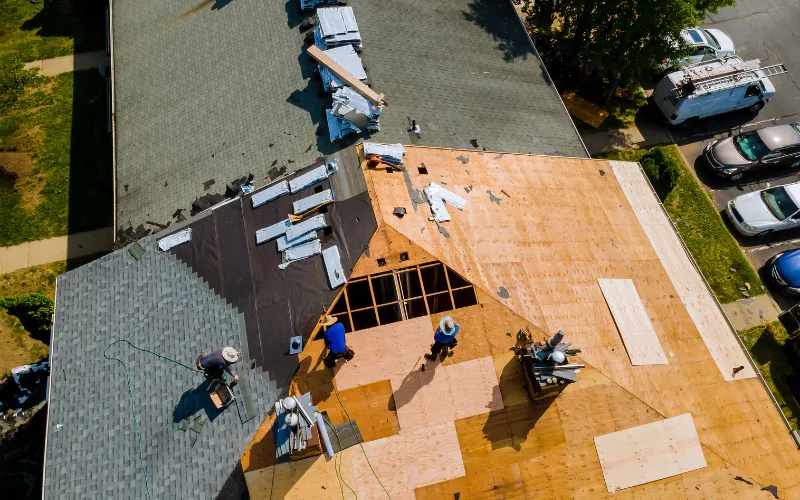
Full Roof Overhaul: Expert Tips from Roof Replacement Experts
Full roof overhaul. Big job. You need it done right. That’s where Roosevelt Roofing LLC comes in. Years of experience. Tons of happy homeowners. We don’t just replace roofs—we make them last.
Your roof isn’t just shingles. It’s protection. Comfort. Peace of mind. At Roosevelt Roofing LLC, we guide you through every step. No jargon. No hidden stuff. Just clear options. You know what you’re getting.
We use the best materials. Skilled hands. Every roof we touch gets care. Shingles, metal, specialty roofs—we handle it all. Strong. Durable. Looks great too. And yeah, we clean up after ourselves. No mess. Just a solid new roof.
But here’s the thing. We’re not just about roofs. We’re about trust. Being on time. Honest communication. Homeowners love us because we actually care. Your roof, your home, your peace of mind. That’s Roosevelt Roofing LLC. Simple as that.
Key Takeaways
✓ Know when it’s time — Patching isn’t enough. Sometimes, go full. Full roof overhaul.
✓ Shingles are serious — Old shingles leak. Raise energy bills. Invite bigger problems.
✓ Materials matter — Asphalt, metal, tile. Pick what works for your home and budget.
✓ Hire the right team — Certified roof replacement experts make life easy.
✓ Maintenance pays off — Tiny checks prevent massive repairs later.
Understanding a Full Roof Overhaul
What Is a Full Roof Overhaul?
A full roof overhaul isn’t just new shingles. Nope.
It’s:
Pulling off old shingles or tiles.
Checking decking for rot.
Replacing underlayment, flashing, vents.
Installing new roofing materials properly.
Think of it as giving your home a fresh armor. One that lasts decades.
Why homeowners go full overhaul:
Leaks keep coming back.
Roof is 20+ years old.
Patch after patch fails.
Visible structural damage.
Even if it looks okay from the street, there could be hidden rot or weak spots. That’s why roof replacement experts push proactive replacement.
Signs You Need a Full Roof Overhaul
Not sure if it’s time? Watch for these:
Curling or buckling shingles — Sun and wind warp shingles fast.
Missing shingles — Your home’s exposed.
Granules in gutters — Shingles shedding protective layers.
Water stains or leaks inside — Roof deck failing.
Frequent repairs — Constant patching = wasted money.
Washington tip: Sun and monsoons accelerate wear. Act fast.
Replacing Old Shingles: Why It Matters
Why You Can’t Wait
Shingles = first line of defense. Damaged or old ones compromise your roof.
Leaks → mold, mildew, interior damage.
Energy inefficiency → Old shingles trap heat. Bills go up.
Structural weakening → Roof deck may rot.
That’s why you should replace old shingles.
Signs It’s Time
Shingles curling at edges or cracking.
Granules falling in gutters.
Dark streaks or stains.
Leaks in ceilings or walls.
Even small damage can escalate. Roof replacement experts spot it early. Save money. Save stress.
Choosing the Right Roofing Materials
Popular Options in Washington
Asphalt Shingles — Affordable. Easy install. Lifespan 20–30 yrs. Heat can shorten life. Use reflective types.
Metal Roofing — Durable, reflective, fire-resistant. Lifespan 40–70 yrs. Handles hail, wind, sun.
Clay/Concrete Tiles — Iconic Southwest look. Heavy. Long-lasting. Lifespan 50+ yrs. Install carefully.
Wood Shingles — Natural, attractive. Needs care. Lifespan 25–30 yrs. Best in shaded areas.
How to Decide
Climate — Heat and monsoon rains affect choice.
Budget — Cheap may cost more long-term.
Aesthetic — Tile and wood = style. Asphalt = practical.
Maintenance — Metal = low. Wood = high.
Tip: Metal roofs reflect heat, lower AC bills, sometimes lower insurance.

Step-by-Step Roof Replacement Process
Step 1: Inspection
Experts check roof age, damage, decking, underlayment, flashing. Spot weak areas.
Step 2: Material Planning
Pick asphalt, metal, tile, wood. Pros and cons explained.
Step 3: Removing Old Shingles
Strip carefully. Replace damaged decking. Solid base for new roof.
Step 4: Underlayment & Flashing
Protects from moisture. Flashing prevents leaks around vents, chimneys, skylights.
Step 5: Install New Materials
Shingles, tiles, or metal panels go on carefully. Aligned to specs.
Step 6: Final Inspection & Cleanup
Ensure shingles are secure. Gutters clear. Debris removed. Quality check done.
Hiring Roof Replacement Experts
Why Experience Matters
Roofing is dangerous. Mistakes = costly. Hire smart.
Look for:
Licensed, insured contractors.
Experience with your roof type.
References. Past projects.
Written estimates. Materials, labor, warranties.
Questions to Ask
How many roofs replaced?
Can I see examples?
Warranties?
Handle unexpected issues?
Story: Phoenix homeowner tried DIY repairs. Monsoon hit. Ceiling leaks. Rotting deck. Certified roof replacement experts fixed it right.
Maintenance After a Full Roof Overhaul
Even new roofs need care:
Inspect yearly. Post-storms too.
Clean gutters. Water must flow.
Trim branches. Avoid damage.
Repair minor issues fast.
Extra Tips:
Upgrade attic ventilation. Longer roof life.
Proper insulation. Keeps home cooler.
Flashing around chimneys, vents, skylights = leak spots.
Roof Replacement Costs
What Affects Cost
Roof size = bigger → more materials, labor.
Material choice → asphalt cheaper, metal/tile pricier.
Complexity → slopes, dormers, chimneys = more labor.
Labor quality → experienced crews cost more, reduce errors.
Washington Insights
Heat affects worker schedules. Early morning/late evening work common.
Monsoons need stronger underlayment, impact-resistant shingles.
Tip: Compare estimates. Look at materials, labor, warranties. Apples to apples.
Energy Efficiency & Roof Upgrades
Modern roofs = energy savings:
Reflective shingles → lower cooling bills.
Insulation → comfort year-round.
Ventilation → prevents heat buildup, extends shingle life.
Example: Mesa homeowner upgraded asphalt shingles in full roof overhaul. Summer energy bills down 15%.

Repair vs Full Replacement
Minor leaks → repair.
Frequent leaks/old roof → full roof overhaul.
Storm damage → replacement = long-term protection.
Rule: Repairs cost >50% of new roof → replace.
Washington-Specific Tips
Monsoons stress roofs. Flashing critical.
Heat cracks asphalt. Metal/tile lasts longer.
Hail → impact-resistant shingles recommended.
HOA rules may limit materials, colors.
FAQs
Q1: How long does a full roof overhaul take?
3–7 days. Complex roofs may take longer.
Q2: Can I replace shingles myself?
Not recommended. Roofing is dangerous. Mistakes cost more.
Q3: How do I know if I need full replacement or repairs?
Check age, damage, repair history. Experts advise.
Q4: Do new shingles improve energy efficiency?
Yes. Reflective shingles + insulation = lower bills.
Q5: How often should I inspect my roof?
Annually, and after storms. Early detection saves money.
Conclusion
A roof isn’t just shingles over your head. It’s protection. Investment. Peace of mind.
Knowing when to do a full roof overhaul, why to replace old shingles, picking materials, and hiring roof replacement experts keeps your home safe and beautiful.
Washington roofs face sun, storms, hail. Act early. Saves money. Saves stress.
Call to Action
Don’t wait for leaks. Contact roof replacement experts at Roosevelt Roofing LLC.
We inspect, advise, and install roofs built to last.
Schedule a free consultation today. Protect your home. Sleep easy.
