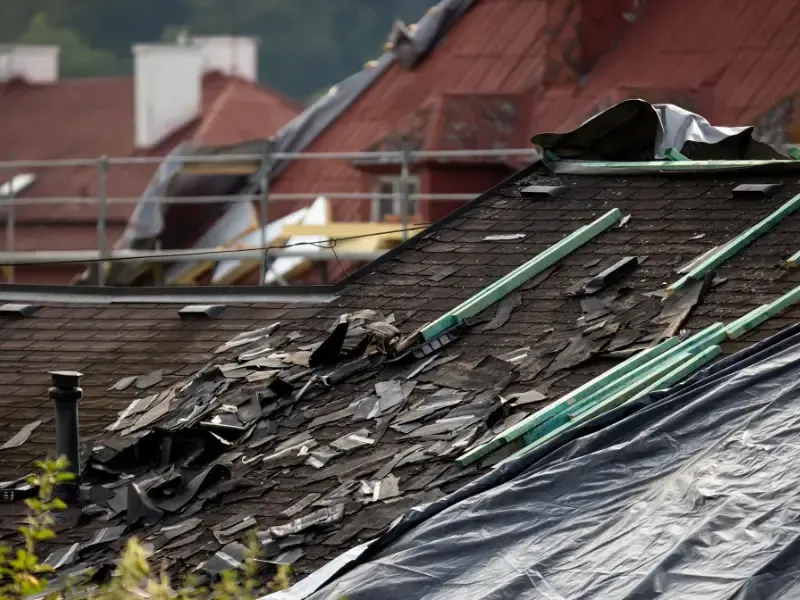
What Is Storm Damage Roof Repair in Thurston County WA?
Roosevelt Roofing LLC handles storm damage roof repair Thurston County WA homeowners need after wind events, atmospheric river storms, and branch impact across Olympia, Lacey, and Tumwater. We provide wind damage roof Olympia WA assessments, emergency storm roof repair Lacey WA response, and insurance claim roof repair South Puget Sound documentation — written, photo-documented reports that support the claims process from first contact to final approval. Licensed #ROOSERL790MW, veteran-owned, based in Eatonville.
By Eric Haugh, Owner · Last updated July 2026
How Do I Know If My Roof Has Storm Damage?
After any significant storm event in Thurston County — an atmospheric river system, a windstorm with gusts above 40 mph, or a heavy rain event with debris — these are the indicators worth checking before you call anyone:
From the ground (do not get on the roof yourself):
Missing or displaced ridge caps — often the first thing to blow off in high winds
Shingles that are visibly lifted, curled at the edges, or missing in sections
Granules accumulated in gutters or downspout splash areas after a storm — a sign of shingle impact or abrasion
Visible debris (branches, tree limbs) on the roof surface
Fascia or soffit damage at the eave line
From inside the attic (flashlight, don't walk the decking):
Daylight visible through the roof deck — indicates breached sheathing or missing shingles
Fresh moisture staining on the underside of the deck that wasn't there before the storm
Wet insulation, which compresses and darkens when wet
Inside the home:
New ceiling stains that appeared after the storm — water can take 24 to 48 hours to travel through decking and framing before becoming visible inside
Attic access hatches that feel warm and humid when they weren't before
If you see any of these, call (253) 318-3543 — we'll schedule a documented assessment before you contact your insurer.
Is Storm Damage Roof Repair Covered by Insurance?
Generally yes — for sudden, storm-driven damage. Standard Washington State homeowner policies cover windstorm damage, damage from falling trees or branches, and hail impact. What they don't cover is pre-existing deterioration, deferred maintenance, or moss damage that developed progressively over time.
The coverage determination almost always comes down to whether the damage is sudden and accidental vs. gradual and maintenance-related. An atmospheric river that blows off a ridge cap is sudden. Shingles that have been deteriorating for six years and finally failed in a moderate windstorm — that's a harder claim.
The Washington State Office of Insurance Commissioner governs how insurers handle homeowner claims in Washington. Key homeowner rights under Washington insurance law:
Your insurer must acknowledge your claim within 10 business days of receipt
Your insurer must accept or deny your claim within 15 business days after receiving all necessary information
If your claim is denied, the insurer must provide a written explanation of the denial
You have the right to dispute a denial and request a review
If you believe a claim was improperly denied, the OIC's consumer protection division accepts complaints and can compel review. This is worth knowing before you accept a denial as final.
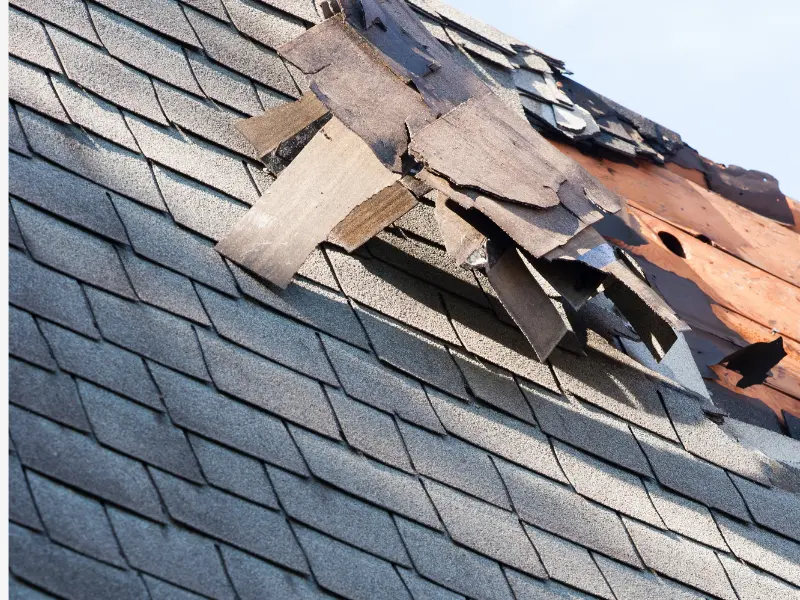
What Counts as Storm Damage on a Roof in Washington?
Insurance adjusters use specific criteria to distinguish covered storm damage from excluded deterioration. Here's how the categories break down for Thurston County homes:
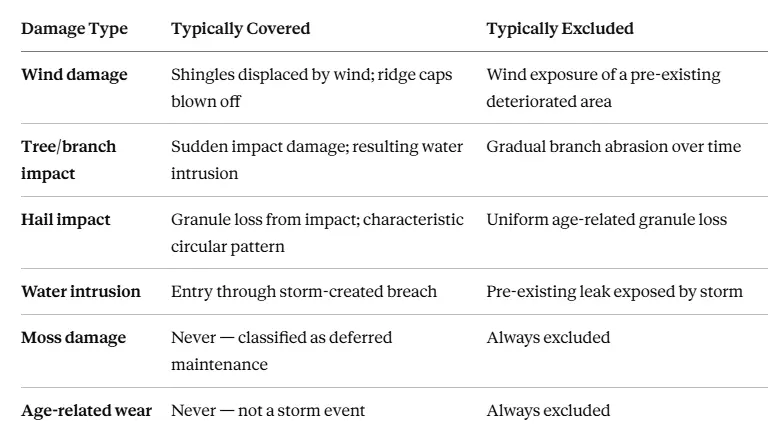
The gray area: A roof that's 18 years old with some existing granule loss sustains wind damage in an atmospheric river. Insurers sometimes argue the storm "exposed" a pre-existing condition rather than caused new damage. A documented assessment from a licensed contractor — with photos taken immediately after the storm — is the most effective counter to this argument.
How Do I File an Insurance Claim for Roof Storm Damage?
The claims process works better when you move in the right sequence:
Step 1 — Document before anything is touched. Photograph every visible area of damage from the ground immediately after the storm. If it's safe to do so and you have attic access, document any new moisture from inside. Date-stamped photos taken before any tarping or repair are the most valuable evidence you have.
Step 2 — Call a licensed roofing contractor for an assessment. Have a licensed contractor assess and document the damage before you contact your insurer. A written assessment from a Washington State L&I licensed contractor carries more weight than homeowner photos alone and gives you an independent record of conditions at the time of damage. Roosevelt Roofing is #ROOSERL790MW — we provide written storm assessments with before-and-after documentation.
Step 3 — Contact your insurer to open the claim. With your photos and contractor assessment in hand, contact your insurer to open a claim. Provide the date of the storm event, your documentation, and your contractor's written findings.
Step 4 — The adjuster visit. Your insurer will typically send an adjuster to inspect the damage. Having your contractor's written assessment available during the adjuster visit — or having your contractor present — is valuable. Adjusters make coverage determinations that are easier to dispute with a contemporaneous professional assessment in hand.
Step 5 — Emergency tarping if active intrusion exists. Don't wait for the adjuster if water is actively entering the home. Most policies allow for emergency temporary repairs (tarping) to prevent further damage. Document the tarp installation and keep the receipts — this is typically reimbursable. We provide emergency tarping across Thurston County with same-day response for active intrusion situations.
Step 6 — Permanent repair after approval. Once the claim is approved, permanent repair or replacement is scheduled. Most Thurston County insurance approvals take two to four weeks from claim opening to authorization.
Can Hail Damage Roofs in the Pacific Northwest?
Yes — this is a genuine FAQ for Thurston County homeowners who assume hail is a Midwest-only concern. Western Washington does receive hail events, most commonly during spring and early summer convective storms when cold Pacific air masses interact with warmer inland temperatures. Olympia and southern Thurston County see hail events more often than coastal areas due to the somewhat more continental influence south of the Olympic rain shadow.
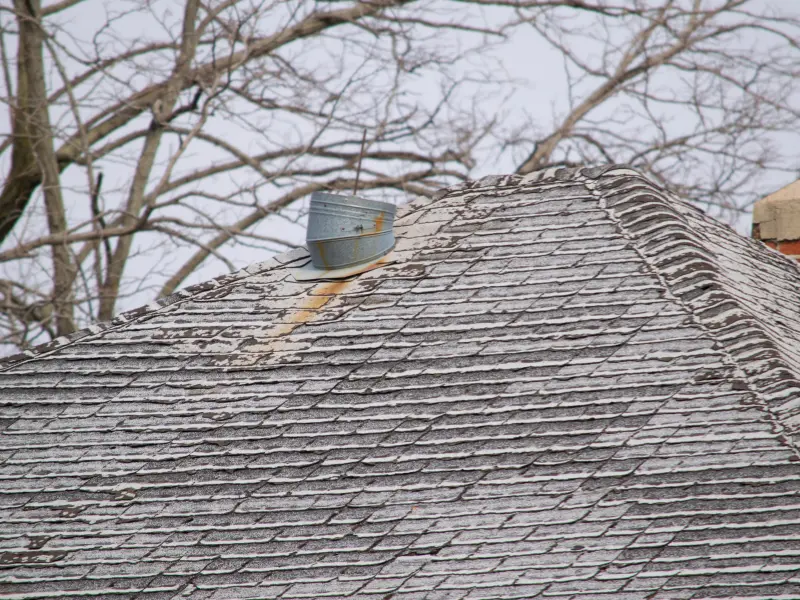
Hail damage to asphalt shingles creates a specific pattern: circular impact points where the granule layer has been removed, exposing the underlying asphalt mat. On aged shingles, this pattern can be difficult to distinguish from normal granule loss — which is one reason why getting a documented assessment promptly after a suspected hail event matters. Adjusters assess hail damage by looking for the characteristic spatter pattern across the roof; older granule loss tends to be uniform, while hail impact creates random, distributed circular marks.
The RCAW recommends that Pacific Northwest homeowners have roof assessments conducted after any weather event involving hail, even light hail, to document baseline conditions before any further deterioration occurs.
How Long Do I Have to File a Roof Storm Claim in WA?
Washington State homeowner policies typically include a one-year claim filing deadline from the date of loss, though specific policy language varies. The Washington State Office of Insurance Commissioner recommends reviewing your policy's specific claim filing requirements, as some policies set shorter windows.
More practically, the sooner you file the better — for two reasons:
Evidence degrades. Wind-lifted shingles that aren't documented promptly may be further damaged by subsequent weather, making it harder to establish that the original damage was storm-caused vs. deterioration-related. Damage documented within 48 to 72 hours of a storm event is the strongest possible claim evidence.
Secondary damage accrues. Water that enters through storm-damaged roofing causes interior damage that grows with time. An insurance company is more likely to cover damages that are documented and addressed promptly than ones that were left unattended for weeks.
The best storm damage roof repair near Olympia WA contractors — and the emergency storm roofers in Thurston County worth calling — will tell you to document and file promptly, not to wait.
Which Contractor Handles Roof Insurance Claims in WA?
This is the question worth asking directly: not every roofing contractor has experience working alongside the insurance claims process. Here's what to look for among the contractors which contractor handles roof insurance claims in WA homeowners should consider:
A contractor who provides written, photo-documented assessments. A verbal estimate doesn't support a claim. A written assessment with photos, findings organized by location, and specific damage descriptions is what the claims process requires.
A licensed, bonded Washington contractor. Insurance companies verify contractor credentials before approving repair payments. An unlicensed contractor creates complications in the claims process.
A contractor who coordinates with your adjuster. A contractor who has done this before knows how to present findings in the format adjusters use, what questions adjusters ask, and how to document the scope of work in a way that aligns with the claims process.
A contractor who doesn't require you to sign an Assignment of Benefits. Some contractors ask homeowners to sign over their insurance claim rights as a condition of getting work done. Washington State has specific regulations around Assignment of Benefits in insurance claims — review anything you're asked to sign with your insurer before agreeing.
Roosevelt Roofing provides written storm assessments, coordinates with adjusters, and works within the standard insurance claims process without requiring assignment of benefits. Call (253) 318-3543).
Storm Damage Roof Repair Across Thurston County
Roosevelt Roofing handles storm damage roof repair throughout Thurston County from our Eatonville base:
Olympia — Capitol neighborhood older construction; East Olympia newer development; atmospheric river storm events and windstorm damage are the primary drivers
Lacey — active residential market; post-storm emergency calls are common in the 1980s–1990s housing stock after major wind events
Tumwater — similar vintage to Lacey; consistent post-storm demand
Yelm, Rainier, and rural Thurston County — rural properties with larger tree canopy have higher branch-impact exposure; we serve the full county
For sourced repair cost context, see our roof repair Thurston County guide. For replacement-level storm damage, see our roof replacement Thurston County guide.
Frequently Asked Questions
1. What counts as storm damage on a roof in Washington?
Covered storm damage includes wind-caused shingle displacement, tree and branch impact, hail impact, and water intrusion from wind-driven rain through compromised areas. Excluded is age-related deterioration, progressive moss damage, pre-existing leaks, and general wear — even if a storm event was the trigger. The determining factor is whether the damage is sudden and accidental vs. gradual and maintenance-related.
2. How do I file an insurance claim for roof storm damage?
Document with photos immediately after the storm before anything is touched. Get a written assessment from a licensed contractor. Contact your insurer to open the claim with your documentation in hand. Cooperate with the adjuster visit — having your contractor's assessment available during that visit is valuable. If active water intrusion exists, tarp immediately and document the temporary repair for reimbursement.
3. Does my insurance cover wind damage to my roof in WA?
Yes — standard Washington homeowner policies cover windstorm damage as a named peril. The coverage applies to sudden, storm-caused damage: shingles displaced by wind, fascia or soffit damage from wind-driven debris, and ridge caps blown off. Wind damage to a roof that was already deteriorated is a harder claim — documentation of conditions immediately after the storm event is your strongest evidence.
4. Can hail damage roofs in the Pacific Northwest?
Yes. Western Washington receives hail events, most commonly during spring convective storms. Thurston County and southern Puget Sound see hail more frequently than coastal areas. Hail creates characteristic circular impact patterns on shingles where granules are removed — distinct from uniform age-related granule loss. Document promptly after any hail event.
5. How long does it take insurance to approve a roof claim?
Under Washington State insurance law, your insurer must acknowledge your claim within 10 business days and accept or deny within 15 business days of receiving all necessary information. Realistically, most Thurston County roof insurance approvals take two to four weeks from claim opening to authorization. Providing complete documentation — contractor assessment, photos, storm date — at the time of filing speeds the process.
Schedule a Storm Damage Assessment in Thurston County
Whether you're dealing with an active leak after last night's storm or documenting damage for an insurance claim, Roosevelt Roofing LLC provides written assessments, emergency tarping, and licensed repair work across Thurston County.
Request a Free Assessment or call (253) 318-3543 today. Available Mon–Sun, 6:00 am to 9:00 pm.
Related reading:
Contact Roosevelt Roofing LLC
Roosevelt Roofing LLC 41733 Mountain Highway E Eatonville, WA 98328 Phone: (253) 318-3543 Hours: Mon – Sun, 6:00 am – 9:00 pm
Serving Olympia, Lacey, Tumwater, Yelm, Rainier, Tenino, Rochester, and all of Thurston County, WA.
