How Much a Roofing Project Should Actually Cost Washington
If you’ve been trying to figure out the roof replacement cost Washington State homeowners actually pay, you’ve probably noticed one frustrating thing there’s no straight answer. One estimate sounds reasonable. Another feels shockingly high. And most don’t explain why the numbers are different.
This matters right now because roofing costs in Washington aren’t just about materials anymore. Labor availability, moisture-heavy weather, local building codes, and roof design all influence pricing. Homeowners who skip the details often end up paying twice—once for the install, and again for repairs that shouldn’t have happened.
At Roosevelt Roofing LLC, we believe informed homeowners make better decisions. This guide explains what actually goes into roofing costs, how to tell a fair estimate from a risky one, and what long-term value really looks like.
Key Takeaways
Saves time: Understand pricing factors before comparing quotes
Controls costs: Avoid low bids that lead to repeat repairs
Improves quality: Proper planning improves roof performance
Protects long-term value: Well-installed roofs last longer
Professional advantage: Experience prevents expensive mistakes
What Are Roof Replacement Services?
Roof replacement services involve much more than swapping old shingles for new ones—especially in Washington’s damp, variable climate.
A basic roof replacement may include:
Removing old shingles
Installing underlayment
Laying new shingles
Basic cleanup
A full-service roof replacement typically includes:
In-depth roof and attic inspection
Moisture and ventilation assessment
Ice and water shield installation
Flashing and penetration sealing
Permit handling and code compliance
Final inspection and documentation
Professionals manage:
Planning: Scope, materials, weather timing
Materials: Shingles, flashing, underlayment, fasteners
Compliance: Local codes and disposal rules
Execution: Proper installation sequence
Finishing: Cleanup, walkthrough, warranty paperwork
That difference is often what separates a roof that lasts 10 years from one that lasts 25.
Industry Trends You Should Know About
Roofing in Washington has shifted toward system-based replacements, not isolated fixes. Homeowners are seeing that repeated patch jobs—especially when moisture is involved—don’t hold up long-term.
Many people start by comparing roof repair cost to replacement, only to realize repairs stack up quickly when underlying issues like ventilation or flashing are ignored.
The trend is clear: homeowners are prioritizing durability, warranties, and professional installation over short-term savings.
Benefits and Advantages of Full Roof Replacement
Saves Time and Reduces Friction
Instead of dealing with recurring leaks or emergency calls, a full replacement resolves issues in one planned project.
Improves Performance
New roofing systems improve drainage, insulation efficiency, and airflow—especially important in Washington’s wet seasons.
Reduces Errors and Rework
Professional oversight prevents missed flashing, improper sealing, and ventilation mistakes.
Enhances Long-Term Results
A properly installed roof protects your home structure, insulation, and interior finishes.
Simplifies Communication
One contractor handles everything—from permits to final inspection—reducing confusion and delays.

Why Planning and Strategy Matter First
Many roofing problems start before installation even begins.
We often see roofs replaced without addressing:
Underlying water damage
Improper attic ventilation
Layout issues around valleys and penetrations
Those problems don’t disappear under new shingles. They resurface—sometimes within a year.
Planning first means evaluating roof geometry, material compatibility, and weather timing. It’s what keeps projects predictable instead of reactive.
Tools, Materials, or Methods That Work in Real Life
Experienced roofers choose materials designed for Washington conditions, not just what’s cheapest.
Common professional-grade choices include:
Architectural shingles for wind and moisture resistance
Metal flashing to prevent leaks at joints and penetrations
High-quality synthetic underlayment for added protection
These materials affect maintenance needs, warranty coverage, and overall roof lifespan.
Tips to Avoid Costly Mistakes
Choosing the lowest bid without reviewing scope
Ignoring ventilation and moisture management
Skipping detailed inspections
Accepting vague or verbal estimates
Thinking short-term instead of long-term
These mistakes often turn a “cheap” roofing replacement near me into the most expensive option.
Read also: How do I know if my roof needs repair or replacement?

Frequently Asked Questions
How much does roof replacement cost in Washington State?
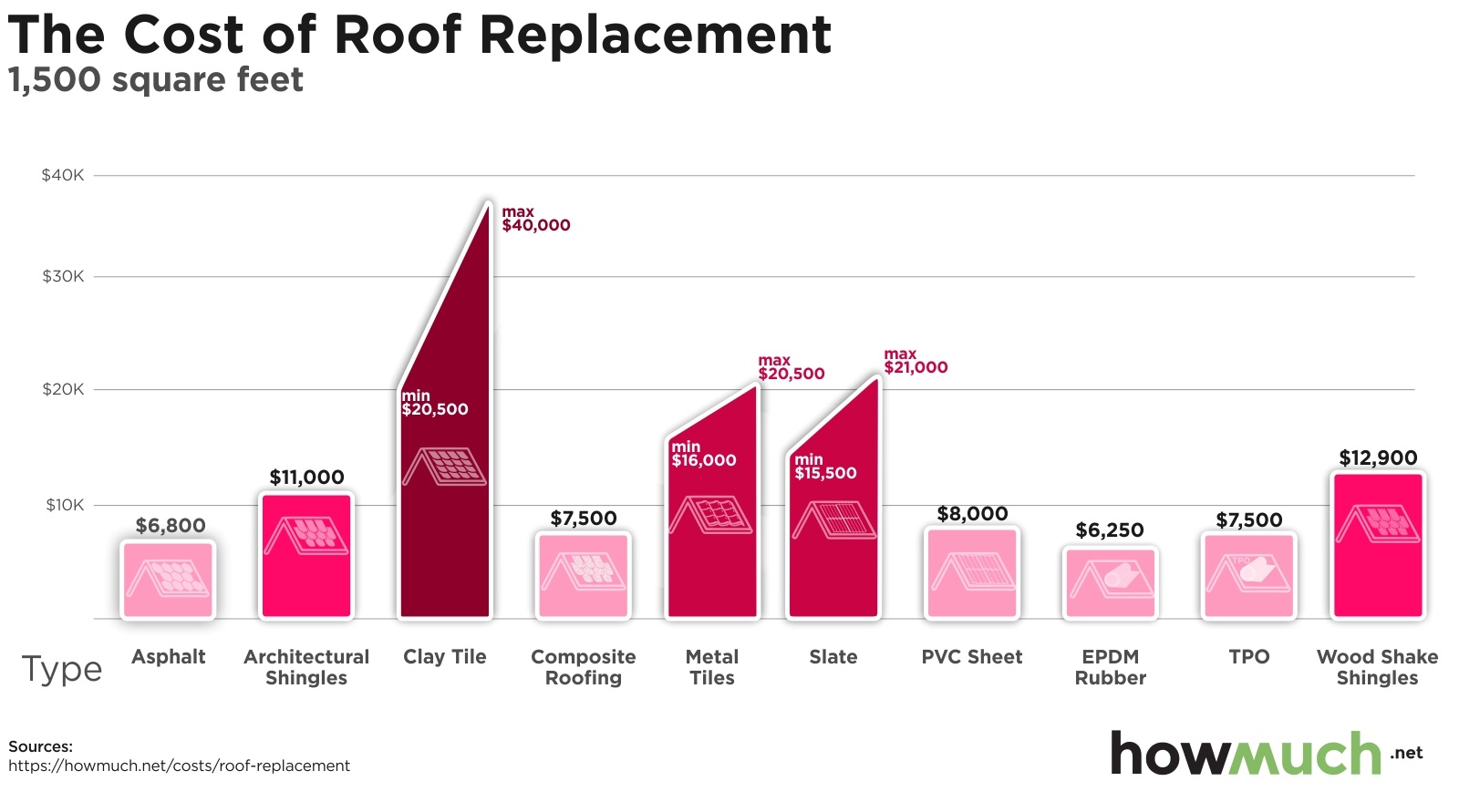
Costs vary based on roof size, materials, slope, and condition, but planning and material quality drive most of the price difference.How long does a roof replacement take?
Most projects take a few days, depending on complexity and weather.Is roof repair cheaper than replacement?
Short-term, yes. Long-term, repeated roof repair cost often exceeds replacement.Do roofing contractors handle permits and inspections?
Reputable professionals manage permits, inspections, and compliance.Why choose a local roofing contractor?
Local crews understand Washington weather, codes, and common roof failure points.
Conclusion
Understanding roof replacement cost Washington Statehomeowners face removes uncertainty and helps you avoid poor decisions. When pricing is transparent and planning is thorough, roofing projects are smoother, safer, and far more durable.
A roof isn’t just an expense. It’s protection—and it’s worth doing right.
How Roosevelt Roofing LLC Helps You Succeed
Roosevelt Roofing LLC focuses on clear pricing, proper planning, and roofing systems designed for Washington homes. No rushed installs. No vague estimates. Just honest guidance and long-term results.
If you’re comparing estimates or unsure what your roof really needs, a consultation can help you move forward with confidence—before small issues turn into expensive ones.
Call us today at (253) 318-3543 to schedule your consultation and get a personalized estimate before moving forward.
