


BLOGS

Shingle Replacement Guide – Get It Done Right
Your roof won’t last forever. That’s the truth. At some point, the shingles start breaking down. They curl. They crack. They disappear after a storm. Then you notice stains on the ceiling, or worse—drips of water. That’s when it hits you: time for shingle replacement. It’s not fun, but it’s necessary. Because your roof is more than shingles. It’s protection. It’s safety. It’s peace of mind.
So, what exactly is shingle replacement? Simple answer—it’s removing the old, damaged shingles and putting in new ones. Sometimes it’s just a few after bad weather. Sometimes it’s the whole roof. Depends on the situation. And honestly, sometimes it’s hard to tell how bad things really are until you look closer—or have a pro check it out.
But here’s the thing. There are signs. Always. Shingles curling up like old chips. Bald spots where the granules used to be. Dark streaks running down the roof. Or worse, leaks inside. If you ignore them, the damage spreads. Wood rots. Mold grows. Costs go up. What could’ve been a small replacement turns into a big, expensive headache.
This guide is here to help you avoid that. We’ll cover everything—from spotting the warning signs early, to understanding the costs, to choosing between DIY and professional help. No fluff. Just clear advice. By the end, you’ll know when to replace shingles and how to do it without losing your mind (or your wallet).
KEY TAKEAWAYS
✓ Don’t wait until you’ve got leaks—act fast.
✓ Missing shingle repair works sometimes, but not always.
✓ Full shingle replacement gives long-term protection.
✓ Tear-off is messy but necessary for real results.
✓ Maintenance after replacement saves money later.
WHY SHINGLE REPLACEMENT REALLY MATTERS
Your roof isn’t just “up there.” It’s protecting your family, your walls, your wiring. When shingles fail, water wins.
The Cost of Waiting
Think you’ll deal with it later? Later gets expensive. Water sneaks in. Wood rots. Mold grows. Suddenly your “small issue” is a full-blown repair bill.
Your Home’s Value
Buyers notice roofs. If shingles are curling or missing, they assume big repairs. But a fresh shingle replacement? That’s curb appeal. That’s confidence.
Safety First
Loose shingles in high winds can turn dangerous. Worse—water near wiring. That’s not just costly. That’s unsafe.
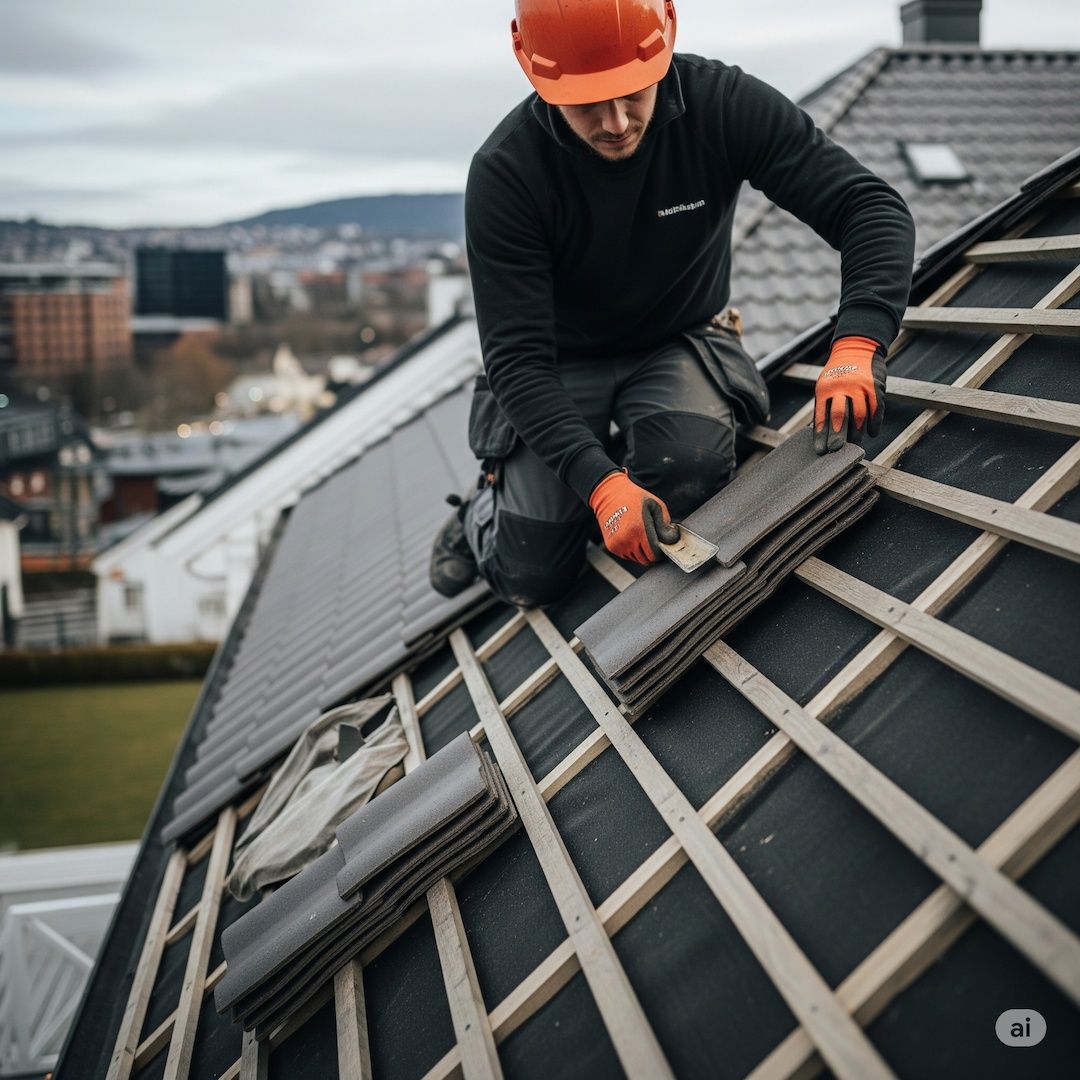
SIGNS YOU NEED A SHINGLE REPLACEMENT
Don’t ignore the roof’s warning signs.
Curling, Cracking, Splitting
Edges turning up. Surface cracks. It’s wear and tear you can’t hide.
Missing Shingles
A few missing after a storm? Fine—missing shingle repair could fix it. But if gaps are showing up all over, it’s time for a replacement.
Granules in Gutters
Check after a rain. If you see little sandy bits, shingles are breaking down. Without granules, shingles can’t handle UV rays.
Leaks and Stains
Brown spots on your ceiling? That’s already water inside.
Old Age
Most shingles: 20 to 25 years. Past that, you’re on borrowed time.
REPAIR VS. FULL REPLACEMENT
This is where most homeowners struggle. Do you patch it—or redo it?
When Repair’s Enough
Just a handful of shingles blown off.
Roof is under 10 years old.
Damage is isolated, not spread out.
That’s when a simple missing shingle repair saves the day.
When Replacement Wins
Roof looks tired everywhere.
Multiple leaks show up.
Granules are mostly gone.
Roof is just plain old.
Repairs = short fix. Shingle replacement = long-term solution.
THE SHINGLE REPLACEMENT PROCESS
If you’ve never seen it done, here’s what actually happens.
Step 1: Inspection
A pro checks it all. Shingles. Flashing. Underlayment. Even your attic ventilation.
Step 2: Roofing Tear-Off Services
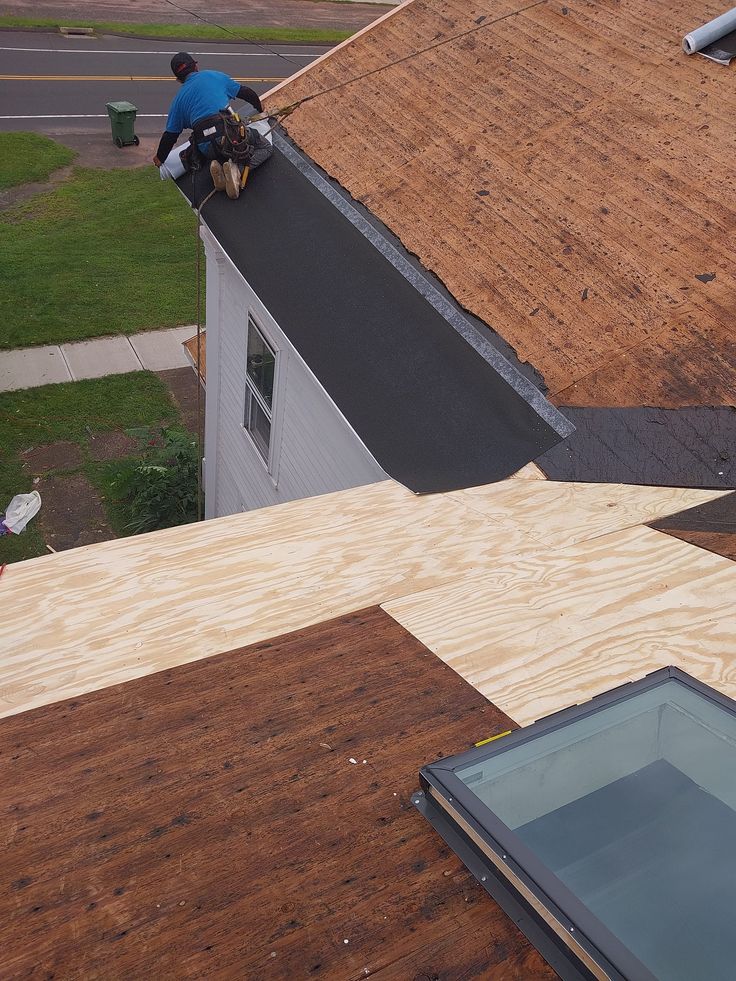
The messy part. Old shingles come off. Dump trucks and tarps everywhere. It’s loud, but necessary. Why? Because new shingles over old ones just trap problems underneath.
Step 3: Fix the Deck
With shingles gone, they check the decking. Rot? Mold? Warping? They fix it now, before anything new goes on.
Step 4: Underlayment Layer
A waterproof sheet goes down. It’s like a backup shield.
Step 5: New Shingles Go On
Rows from the bottom up. Right nails. Right overlap. Proper sealing.
Step 6: Flashing + Vents
Fresh flashing keeps leaks out around chimneys and skylights. Ventilation makes sure your attic breathes.
Step 7: Cleanup + Walkthrough
Nails swept up with magnets. Trash hauled. Contractor walks you around. Job done.
COST OF SHINGLE REPLACEMENT
Let’s talk numbers.
Roof size: Bigger = pricier.
Shingle type: Asphalt = affordable. Architectural = stylish, long-lasting. Slate/wood = premium.
Labor & Tear-Off: Roofing tear-off services add cost but are worth it.
Location: Prices shift by region.
Average cost? $5,000–$12,000. Some higher if you go luxury.
CHOOSING THE RIGHT CONTRACTOR
Your shingles are only as good as the crew putting them up.
✓ Years in business. A decade+ is a good sign.
✓ Licensed + insured. Protect yourself.
✓ Real reviews. Ask neighbors too.
✓ Warranties. On product and workmanship.
✓ Clear contract. No vague “we’ll see” stuff.
KEEPING YOUR NEW ROOF STRONG
Congrats—you’ve got a new roof. Don’t waste it.
Get yearly inspections. Catch little issues early.
Clean your gutters. Water should flow away, not under.
Vent your attic. Stops heat and moisture buildup.
Fix damage quick. Even small missing shingle repair jobs matter.
COMMON ROOKIE MISTAKES
Avoid these at all costs:
DIY roofing. Looks easy. It’s not.
Layering shingles. Adds weight. Hides issues.
Skipping ventilation. Traps heat. Kills shingles early.
Picking the cheapest contractor. Cheap now. Costly later.
ECO-FRIENDLY OPTIONS
Good news—roofing doesn’t have to mean landfill waste.
Old shingles often recycled into road asphalt.
Energy-efficient shingles reflect sun, keep bills down.
FAQs
1. How long does a shingle replacement take?
Usually 1–3 days. Depends on roof size and weather.
2. Can I replace shingles myself?
Sure. But should you? No. Safety risks and easy mistakes.
3. What’s the best season for it?
Spring or fall. Not too hot, not too cold.
4. Does insurance pay for it?
If it’s storm damage, often yes. Wear and tear, usually no.
5. How long does a new roof last?
Standard asphalt: 20–25 years. Architectural: 30+.
CONCLUSION
Your roof protects everything you care about. Waiting too long? That just makes problems worse. Whether it’s a small missing shingle repair or a full-on shingle replacement, acting early saves money and stress.
CALL TO ACTION
Don’t wait until water’s dripping through your ceiling. Call now for a free inspection. Let’s see if you need a quick fix—or a full roofing tear-off service and fresh shingles that’ll last decades.

QUICK LINKS
SERVICE AREAS
CONTACT INFORMATION
Eric Roosevelt @ Roosevelt Roofing LLC
CALL US
HOURS
Mon - Sun 6:00 am - 9:00 pm
Copyright 2026. Roosevelt Roofing LLc. All Rights Reserved.