

BLOGS
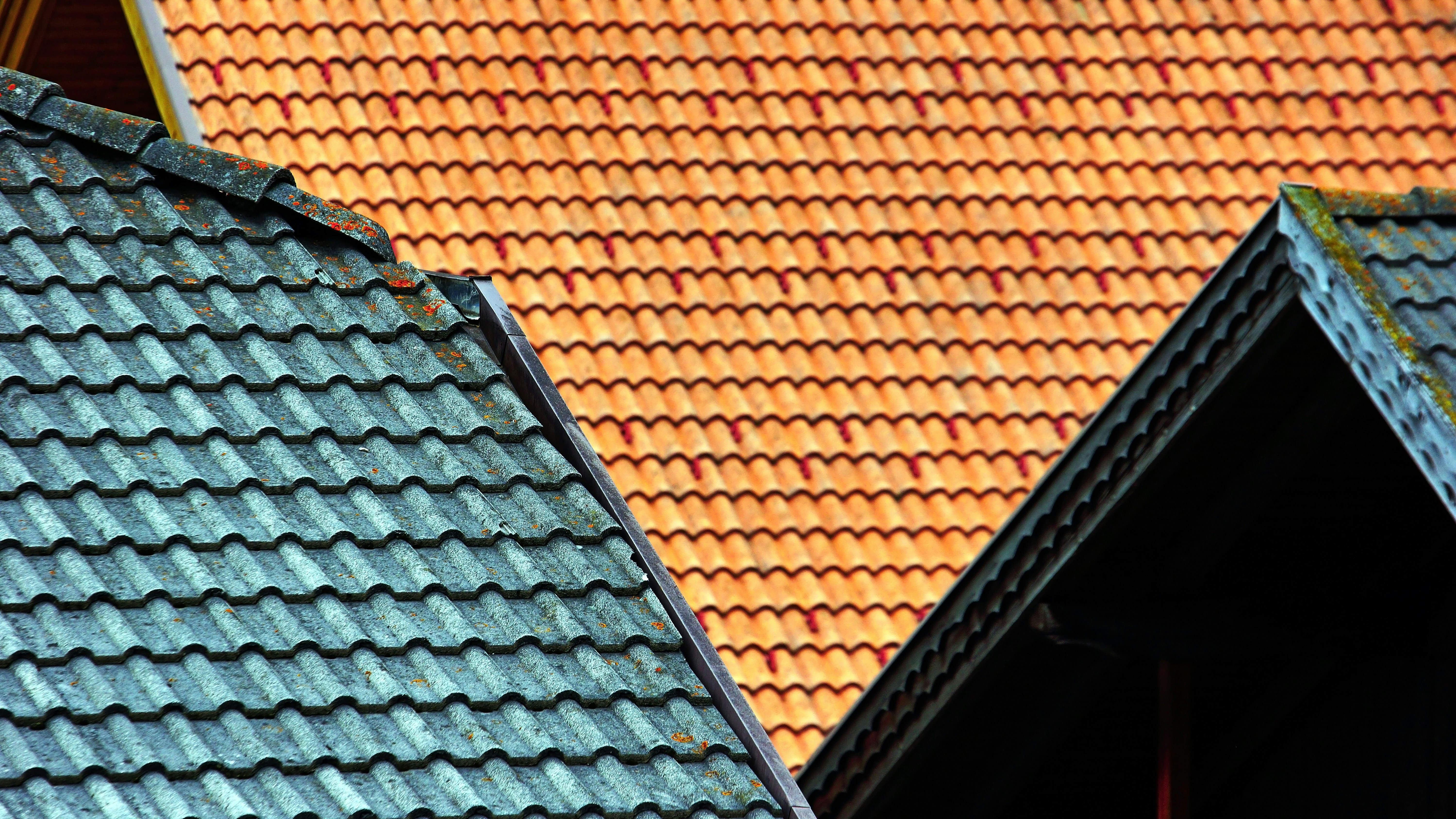
How Long Does a Roof Last in Seattle's Climate?
Understanding the Roof Lifespan Seattle is essential for homeowners in the Pacific Northwest who want to protect their investment and avoid unexpected repair costs. Seattle's unique climate—marked by frequent rain, overcast skies, and high humidity—can significantly impact roofing materials, causing issues like moss growth, algae buildup, and water damage over time. Knowing how long do roofs last in these conditions helps homeowners make informed decisions when selecting materials, planning maintenance schedules, and budgeting for eventual roof replacement. By understanding these factors, you can ensure your roof provides reliable protection for decades.
This comprehensive guide explores the climate impact on roofs in Seattle, offering insights into the lifespan of different roofing materials, from asphalt shingles and metal roofs to wood, tile, and slate options. We will also discuss practical tips for extending roof life, recognizing warning signs of wear, and choosing the right roofing material for Seattle’s wet and mild conditions. Whether you’re replacing an aging roof or investing in a high-end roofing system, this article provides the knowledge you need to maximize your roof’s durability and longevity while making cost-effective decisions.
Average Roof Lifespan in Seattle
The Roof Lifespan Seattle varies based on material, maintenance, and environmental exposure. On average:
Asphalt Shingles (20–25 years): The most common and budget-friendly option in Seattle, asphalt shingles provide reliable protection but may wear faster due to moisture and moss growth.
Wood Shake (Up to 30 years): Offers natural beauty and insulation benefits, but requires regular cleaning and treatment to prevent decay, mold, and moss in Seattle’s damp climate.
Metal Roofing (40–70 years): Extremely durable and resistant to moisture, metal roofs can withstand Seattle’s wet weather, making them a long-term, low-maintenance investment.
Tile Roofing (50+ years): Clay or concrete tiles are highly durable and provide excellent longevity, but their heavy weight may require structural reinforcement.
Slate Roofing (50+ years): Premium natural slate is nearly impervious to weathering, providing unmatched lifespan and aesthetic appeal, though it comes with a higher upfront cost.
These averages can fluctuate based on specific conditions and care.
Impact of Seattle's Climate on Roofs
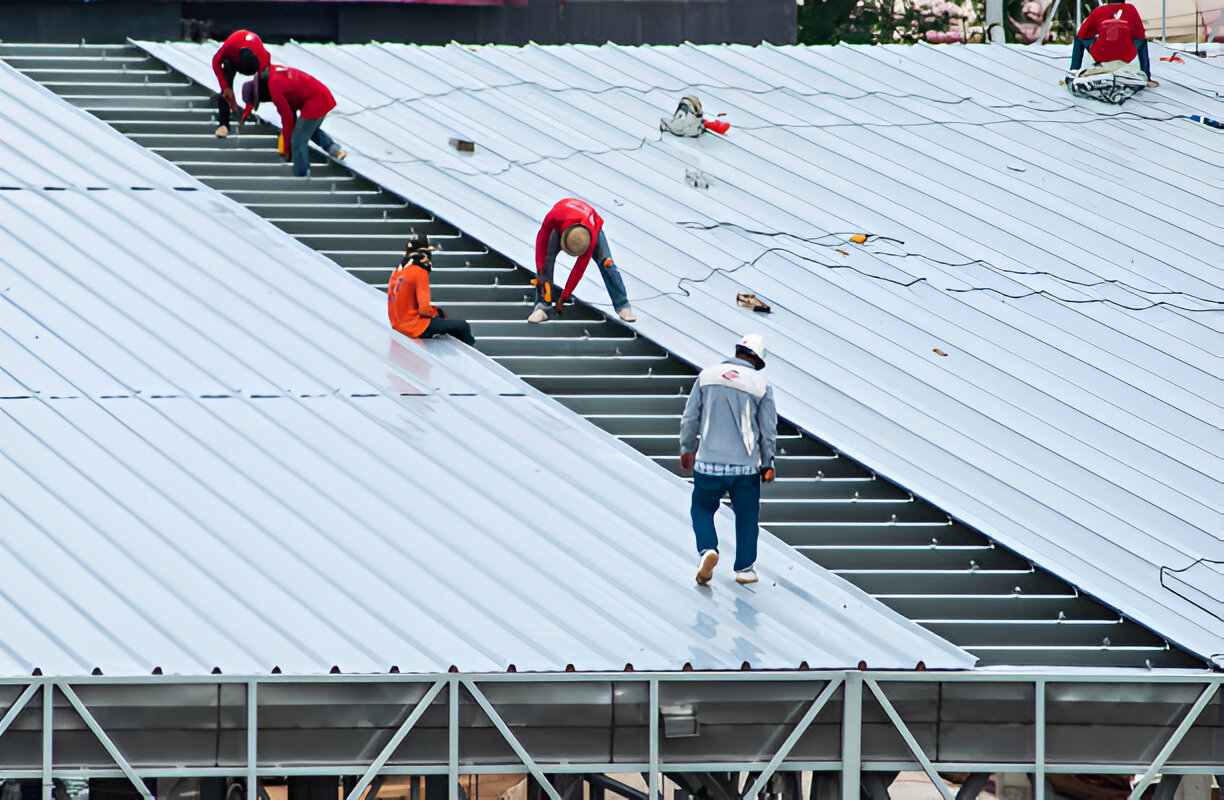
Seattle's climate plays a pivotal role in determining how long roofs last. The city's weather conditions contribute to wear and tear on roofing materials, necessitating specific considerations for homeowners. Frequent rain and high humidity can accelerate moss, algae, and mold growth, which may compromise shingles and underlying structures. Additionally, mild temperature fluctuations combined with occasional windstorms can gradually weaken roofing materials, making regular inspections and maintenance essential to prolong Roof Lifespan Seattle.
Roof Lifespan by Material Type
Asphalt Shingles
Asphalt shingles are prevalent in Seattle due to their affordability. However, their lifespan is impacted by the local climate.
Popularity in Seattle: Asphalt shingles are widely used due to their affordability and ease of installation, making them a common choice for homeowners.
Average Lifespan: Typically lasts 20–25 years, though proper maintenance can help extend their durability.
Moisture Sensitivity: Frequent rain and high humidity can cause shingles to warp, curl, or deteriorate faster than in drier climates.
Moss and Algae Growth: Seattle’s damp environment promotes moss and algae accumulation, which can trap moisture and reduce shingle effectiveness.
Maintenance Importance: Regular cleaning, inspection, and prompt repairs are essential to maximize Roof Lifespan Seattle and prevent costly damage.
Metal Roofing
Metal roofs are gaining popularity for their durability and longevity.
Rising Popularity: Metal roofs are increasingly chosen in Seattle for their long lifespan and low maintenance requirements.
Average Lifespan: Typically lasts 40–70 years, making it a long-term investment compared to asphalt or wood shingles.
Moisture Resistance: Highly resistant to moss, algae, and water damage, which are common challenges in Seattle’s rainy climate.
Energy Efficiency: Reflects heat effectively, helping to reduce cooling costs during warmer months.
Durability: Can withstand windstorms, heavy rainfall, and other environmental stressors, contributing to an extended Roof Lifespan Seattle.
Wood Shake and Cedar Shingles
Wood roofing materials offer aesthetic appeal but require diligent maintenance.
Aesthetic Appeal: Wood roofing provides a classic, natural look that enhances the beauty of Seattle homes.
Average Lifespan: Typically lasts up to 30 years when properly maintained.
Moisture Sensitivity: Susceptible to rot, mold, and moss growth due to Seattle’s high humidity and frequent rain.
Maintenance Requirements: Requires regular cleaning, treatment with preservatives, and inspections to prevent decay and extend lifespan.
Environmental Considerations: Offers good insulation properties but demands proactive care to maximize Roof Lifespan Seattle and maintain structural integrity.
Tile and Slate Roofing
These materials are among the most durable options available.
Exceptional Durability: Tile and slate are among the most long-lasting roofing materials, ideal for Seattle’s wet climate.
Average Lifespan: Can last 50+ years, often making them a once-in-a-lifetime investment for homeowners.
Weight Considerations: Their heavy weight may require additional structural support during installation.
Fragility: While extremely durable, individual tiles or slates can crack under impact from falling debris or heavy foot traffic.
Low Maintenance: Resistant to moss, algae, and rot, reducing the frequency of upkeep and enhancing overall Roof Lifespan Seattle.

Climate Factors Affecting Roof Lifespan
Rain and Moisture
Seattle's average of over 150 rainy days annually creates prime conditions for water pooling, leaks, and eventual structural damage. Even minor cracks or weak points in your roof can lead to moisture infiltration, causing insulation damage, mold growth, and compromised structural integrity.
Water Pooling and Leaks: Frequent rain increases the risk of water accumulation on low-slope areas, leading to leaks.
Structural Damage: Prolonged exposure to moisture can weaken roof decking, fascia, and other structural components.
Insulation Issues: Moisture infiltration may damage attic insulation, reducing energy efficiency and increasing heating costs.
Mold and Mildew: Persistent dampness can encourage mold and mildew growth, affecting indoor air quality.
Preventive Measures: Regular inspections, proper drainage, and sealing weak spots help maintain Roof Lifespan Seattle despite heavy rainfall.
Moss and Algae Growth
The damp environment encourages moss and algae growth, which can deteriorate roofing materials over time. Regular inspections help identify small issues, such as clogged drains or deteriorated flashing, before they lead to costly repairs.
Material Deterioration: Moss retains moisture, which can cause shingles or wood shakes to rot, crack, or warp over time.
Algae Staining: Algae can discolor roofing materials, impacting curb appeal and potentially reducing material longevity.
Blocked Drainage: Growth can clog gutters and downspouts, leading to water pooling and leaks.
Early Detection: Regular inspections help spot issues like damaged flashing or moss buildup before serious damage occurs.
Preventive Actions: Installing zinc or copper strips, cleaning debris, and treating roofs with eco-friendly solutions can prolong Roof Lifespan Seattle.
Temperature Fluctuations
While Seattle experiences mild temperatures, occasional freezes and thaws can cause roofing materials to expand and contract, leading to cracking and weakening over time.
Material Expansion and Contraction: Repeated cycles of freezing and thawing cause roofing materials to expand and contract, which may lead to cracks or warping over time.
Shingle Damage: Asphalt shingles and wood shakes are particularly susceptible to splitting or curling under temperature stress.
Fastener Loosening: Nails and other fasteners may loosen as materials shift, reducing roof stability.
Subtle Structural Stress: Over time, even minor movement can weaken roof decking and underlayment.
Preventive Measures: Regular inspections, timely repairs, and choosing materials suited to mild but fluctuating climates help maximize Roof Lifespan Seattle.
Wind and Storms
Windstorms, though less frequent than in other regions, can loosen shingles, displace flashing, and cause trees to drop debris on your roof, leading to potential damage.
Shingle Loosening: High winds can lift or tear asphalt shingles, exposing the roof to water damage.
Flashing Displacement: Wind can dislodge flashing around chimneys, vents, and skylights, creating potential leak points.
Debris Damage: Falling branches or other debris during storms can crack or puncture roofing materials.
Structural Stress: Repeated exposure to strong winds can weaken roof attachments and underlayment over time.
Preventive Measures: Regular inspections, trimming overhanging branches, and reinforcing vulnerable areas help protect Roof Lifespan Seattle.
Maintenance Tips to Extend Roof Life
Regular Inspections: Schedule professional inspections every 2–3 years.
Clean Gutters and Downspouts: Prevent water backup and potential leaks.
Trim Overhanging Branches: Reduce the risk of debris damage.
Treat for Moss and Algae: Use appropriate treatments to prevent growth.
Ensure Proper Ventilation: Prevent moisture buildup in the attic.
Signs Your Roof Needs Replacement
Missing or Curling Shingles: Indicates age or storm damage.
Granule Loss: Excessive granules in gutters suggest shingle degradation.
Leaks: Water stains on ceilings or walls.
Visible Moss or Algae: Persistent growth despite cleaning efforts.
Choosing the Right Roofing Material for Seattle
When selecting a roofing material, consider:
Durability: Metal and tile offer the longest lifespans.
Maintenance: Wood and asphalt require more upkeep.
Aesthetic Appeal: Wood and tile provide classic looks.
Cost: Asphalt is the most budget-friendly option.
Conclusion
Understanding the Roof Lifespan Seattle is essential for homeowners looking to make smart decisions about their roofing investments. Seattle’s climate—with frequent rain, high humidity, and occasional windstorms—can accelerate wear and tear on roofing materials. Knowing how long do roofs last in these conditions helps homeowners choose the most suitable materials, plan maintenance schedules, and avoid unexpected repair costs, ensuring their roof provides reliable protection year after year.
By selecting durable materials such as metal, tile, or slate and following proper care practices, you can extend the roof lifespan Seattle significantly. Regular inspections, cleaning gutters, trimming overhanging branches, and treating for moss or algae are practical steps that prevent premature deterioration. With careful planning and proactive maintenance, homeowners can safeguard their investment, improve energy efficiency, and enjoy peace of mind knowing their roof will stand strong against Seattle’s challenging climate.
FAQs
1. How long do roofs last in Seattle?
The lifespan varies by material: asphalt shingles last 20–25 years, metal roofs 40–70 years, and tile or slate roofs over 50 years. Regular maintenance and timely repairs can help extend these lifespans even further, ensuring your roof remains effective for decades.
2. Does Seattle's climate affect roof longevity?
Yes, frequent rain, moss growth, and temperature fluctuations can accelerate wear on roofing materials. Choosing weather-resistant materials and performing seasonal maintenance can help mitigate these climate impacts.
3. How can I extend my roof's lifespan?
Regular inspections, cleaning gutters, treating for moss, and ensuring proper ventilation can prolong your roof's life. Additionally, addressing minor issues promptly before they escalate can prevent costly damage and maintain your roof’s structural integrity.
4. When should I replace my roof in Seattle?
Signs include missing shingles, granule loss, leaks, and visible moss or algae growth. Consulting a professional roofer at the first sign of serious wear can help avoid emergency repairs and protect your home.
5. Are there roofing materials better suited for Seattle's climate?
Metal and tile roofs are more resistant to Seattle's wet conditions and require less maintenance. These materials also provide better energy efficiency and long-term durability, making them ideal investments for local homeowners.
Quick Takeaways
Roof Lifespan Seattle varies significantly by material: asphalt shingles (20–25 years), wood shake (up to 30 years), metal (40–70 years), and tile/slate (50+ years).
Seattle’s wet climate, frequent rain, and moss growth can accelerate roof wear, making maintenance crucial.
Choosing durable, weather-resistant materials like metal or tile can extend your roof’s longevity.
Regular inspections, cleaning gutters, and treating for moss or algae help maximize how long do roofs last.
Temperature fluctuations and occasional windstorms can impact roofing materials, so seasonal checks are important.
Early detection of damage—missing shingles, leaks, or granule loss—prevents costly repairs and prolongs roof life.
Proper ventilation, trimming overhanging branches, and professional maintenance are key to protecting your roof from Seattle’s climate impact.
Take Action Today
Ready to protect your home with a long-lasting roof? Contact a trusted Seattle roofing contractor today to get a free, no-obligation quote and expert guidance tailored to your home and budget. Whether you’re replacing an aging roof or investing in durable materials like metal or tile, professional installation ensures quality workmanship and maximum Roof Lifespan Seattle. Don’t wait for leaks or damage—schedule your consultation now and secure a roof that will stand strong against Seattle’s challenging climate for decades.
References
Asphalt Shingles: Last 20–30 years; granule quality affects longevity.
HomeCare ContractorsMetal Roofing: Durable 40–70 years; resists moisture and moss.
Brava Roof TileTile and Slate: Lifespan 50+ years; very durable, low maintenance.
Wikipedia – Roof TilesWood Shake & Cedar Shingles: Up to 30 years; requires regular maintenance.
Heartland BuildersMoss & Algae Impact: Traps moisture and can reduce roof lifespan.
Chets RoofingRoof Maintenance & Climate: Regular cleaning and inspections prolong life; Seattle’s wet climate encourages moss growth.
Axiom D7Roof Lifespan Factors: Material, installation, climate, and upkeep all affect longevity.
Better Homes & Gardens

QUICK LINKS
SERVICE AREAS
CONTACT INFORMATION
Eric Roosevelt @ Roosevelt Roofing LLC
CALL US
HOURS
Mon - Sun 6:00 am - 9:00 pm
Copyright 2026. Roosevelt Roofing LLc. All Rights Reserved.